Enhancing Endometrial Thickness Naturally Through Diet
For women facing challenges with a thinning endometrium, the aspiration to conceive may seem elusive. Before considering medical procedures, it is beneficial to investigate the influence of nutrition. A well-rounded diet, abundant in crucial nutrients, can potentially enhance endometrial thickness and increase the likelihood of a successful pregnancy. This article will explore various dietary options and unveil how certain foods and nutrients can foster a healthy endometrium, setting the stage for a fruitful reproductive experience.
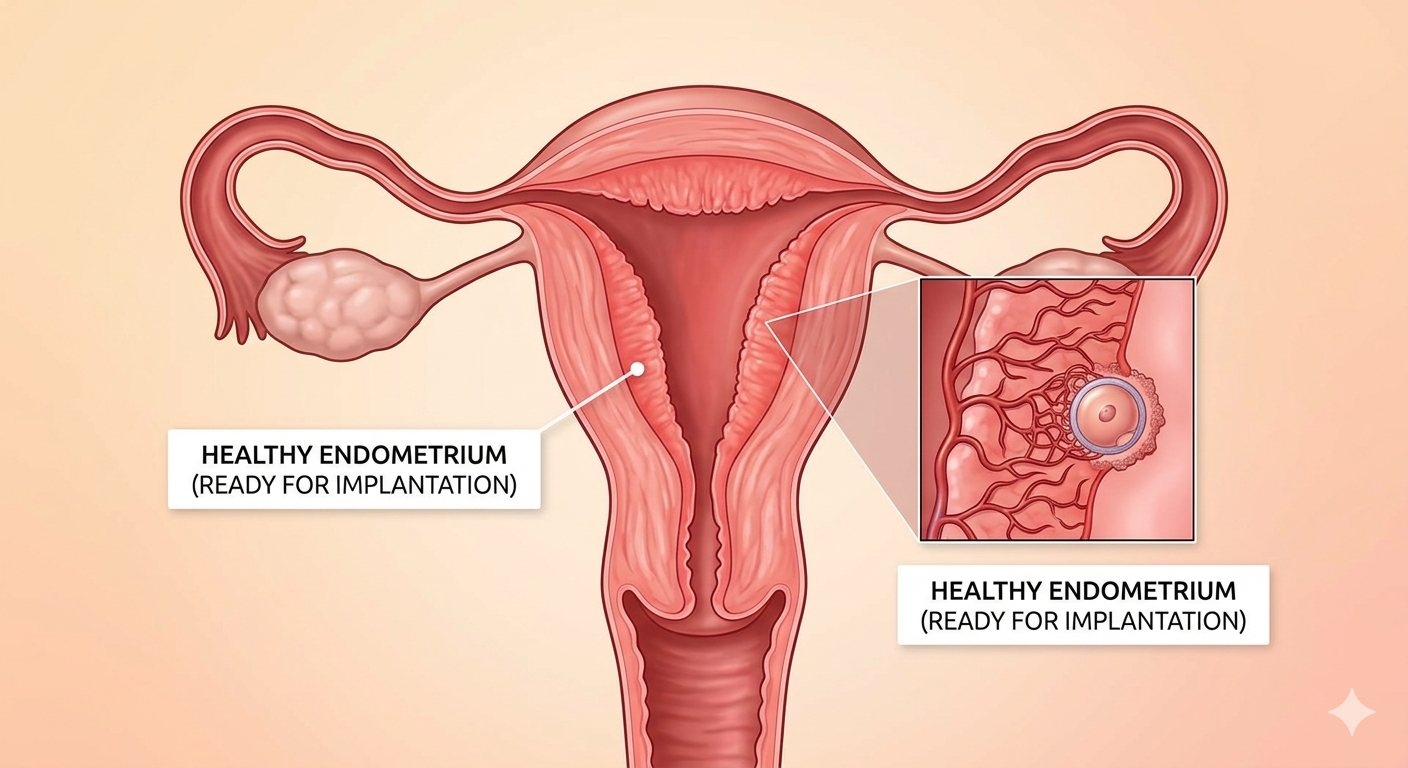
The Importance of the Endometrium
The endometrium is the uterus's inner lining, which thickens during the menstrual cycle in preparation for embryo implantation. Insufficient endometrial thickness can create obstacles for fertility by complicating implantation and heightening the risk of miscarriage. Prioritizing nutrition can optimize endometrial health, establishing a nurturing environment for conception and implantation.
Factors Leading to Thin Uterine Lining
Several factors can contribute to endometrial thinning. Below are some common causes:
- Age: Approaching perimenopause or menopause triggers hormonal changes that reduce estrogen levels. Estrogen is vital for endometrial growth, and lower levels can lead to a thinner lining.
- Hormonal Imbalances: Conditions like polycystic ovary syndrome (PCOS) can disrupt the balance of hormones such as estrogen and progesterone.
- Chronic Health Issues: Chronic conditions, including hypothyroidism, diabetes, and autoimmune diseases, can affect endometrial health by impairing uterine blood flow or disrupting hormonal regulation.
- Asherman’s Syndrome: This condition involves scar tissue formation in the uterus, often following surgical procedures like dilation and curettage (D&C) or cesarean sections, potentially leading to a thinner lining.
- Hormonal Birth Control: Prolonged use of certain hormonal contraceptives, such as IUDs or birth control pills, may lead to thinning of the endometrial lining due to progestin's suppression of growth.
- Excessive Physical Activity or Low Body Weight: Intense exercise coupled with low body weight can disrupt hormone production, leading to imbalances that may thin the endometrium.
- Chronic Inflammation: Conditions like endometriosis or pelvic inflammatory disease (PID) can cause chronic inflammation, adversely affecting endometrial health.
Dietary Choices to Promote Endometrial Thickness
| S.No. | Nutrient Type | Recommended Foods |
|---|---|---|
| 1 | Healthy Fats | Salmon, sardines, flaxseeds, walnuts, avocados, olive oil, coconut oil |
| 2 | Antioxidants | Berries, citrus fruits, leafy greens, broccoli, bell peppers |
| 3 | Whole Grains | Quinoa, brown rice, oats, whole wheat bread |
| 4 | Plant-Based Proteins | Legumes, lentils, tofu, soybeans |
| 5 | Iron-Rich Foods | Leafy greens, beans, lentils, fortified cereals, lean meats |
| 6 | Folate Sources | Spinach, asparagus, broccoli, citrus fruits, fortified grains |
| 7 | Hydration | Water, herbal teas (e.g., raspberry leaf tea) |
| 8 | Supplements (if necessary) | Omega-3 fatty acids, iron, folate, vitamin D, vitamin C, vitamin E |
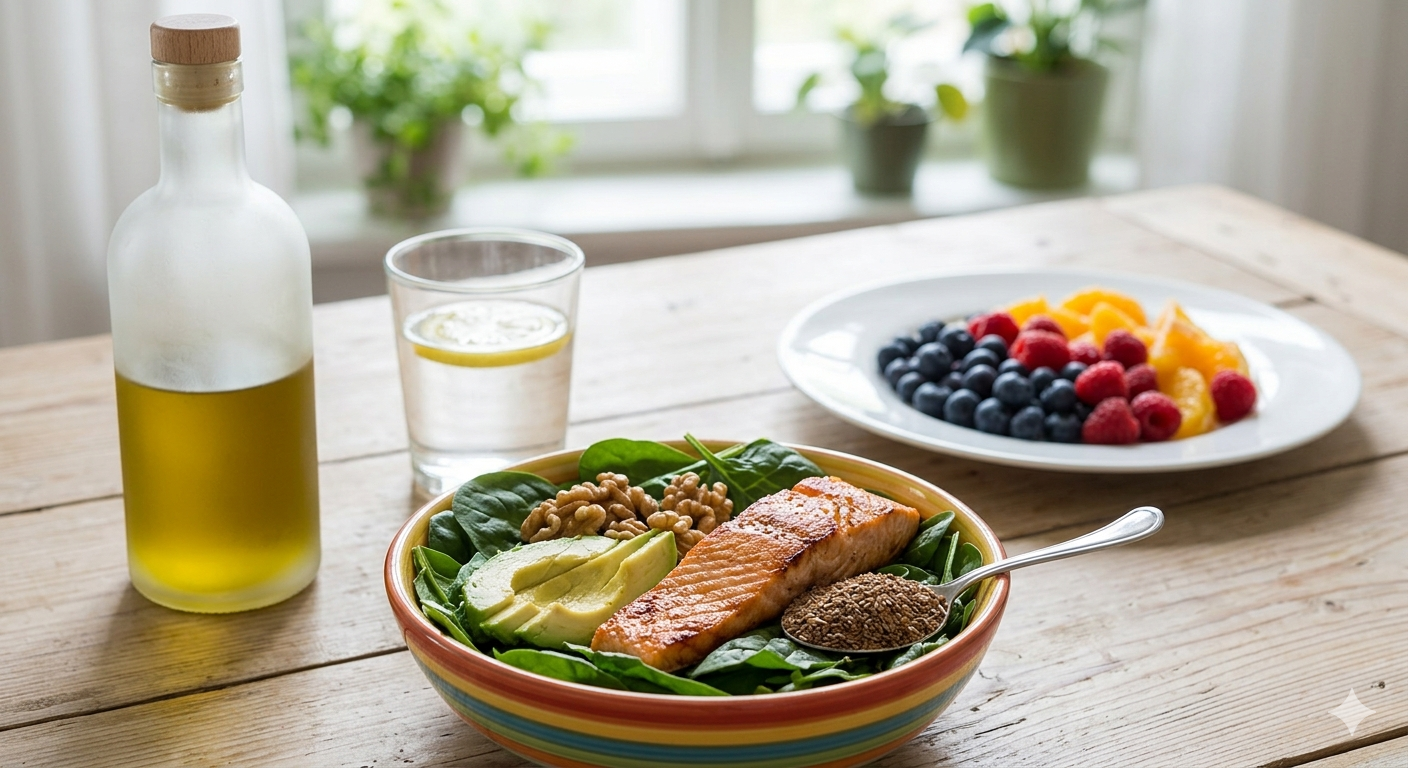
To support endometrial thickness, it is essential to maintain a nutritious diet that promotes reproductive health. Here are some dietary strategies to consider:
-
Incorporate Healthy Fats: Including healthy fats in your meals is essential for enhancing endometrial thickness. Omega-3 fatty acids from fatty fish such as salmon, flaxseeds, and walnuts possess anti-inflammatory effects that improve blood circulation and reproductive health. Foods like avocados, olive oil, and coconut oil provide monounsaturated fats that are beneficial for hormone production, which is critical for endometrial growth.
-
Utilize the Benefits of Antioxidants: Antioxidants are important for mitigating oxidative stress and safeguarding the endometrium. Include a variety of colorful fruits and vegetables, such as berries, citrus fruits, leafy greens, broccoli, and bell peppers in your diet. These foods are high in vitamins C and E, beta-carotene, and other phytonutrients that enhance your body’s antioxidant defenses, promoting a healthier endometrial environment.
-
Choose Whole Grains: Prioritizing whole grains such as quinoa, brown rice, oats, and whole wheat bread over refined carbohydrates can positively impact endometrial thickness. Whole grains are rich in fiber and essential nutrients like B vitamins and magnesium, which encourage hormonal balance and blood flow to the uterus.
-
Focus on Plant-Based Proteins: Legumes, lentils, tofu, and tempeh are excellent sources of plant-based proteins that provide essential amino acids necessary for tissue and hormone production, including those for endometrial growth. Replacing some animal proteins with plant-based options can promote a healthier endometrium while lowering saturated fat intake.
-
Ensure Adequate Iron and Folate Intake: Iron and folate are vital for blood production and reproductive health. Incorporate foods like leafy greens, beans, lentils, fortified cereals, and lean meats for iron. For sufficient folate, consume spinach, asparagus, broccoli, citrus fruits, and fortified grains. These nutrients are essential for ensuring proper blood flow to the endometrium, promoting its thickness.
-
Hydration is Key: Maintaining proper hydration is often undervalued in fertility discussions. Proper hydration supports optimal blood circulation and overall well-being. Aim for at least eight glasses of water daily and reduce sugary beverage consumption. Herbal teas, such as raspberry leaf tea, can also be beneficial for hydration and reproductive health.
-
Consider Nutritional Supplements: While whole foods are the preferred source of nutrients, supplements can be beneficial for addressing specific deficiencies. Consult with a healthcare provider to assess your needs and identify appropriate supplementation, which may include omega-3 fatty acids, iron, folate, vitamin D, and antioxidants like vitamins C and E.
-
Practice Mindful Eating and Stress Management: Beyond focusing on specific foods, adopting a holistic approach to nutrition and overall health is crucial. Engage in mindful eating practices by being attentive to your food choices and meal experiences.