
Defining Locomotor Disability
Movement is an integral part of daily life, yet individuals affected by cerebral palsy often face significant challenges in this area. Locomotor disabilities stemming from cerebral palsy can severely influence a person's autonomy, social interactions, and overall quality of life. Nonetheless, with appropriate treatment and support, individuals can navigate these challenges and lead fulfilling lives. In this article, we will explore the causes, effects, and available treatment avenues for disabilities associated with cerebral palsy, aiming to illuminate pathways to a brighter future.
Categories of Locomotor Disability
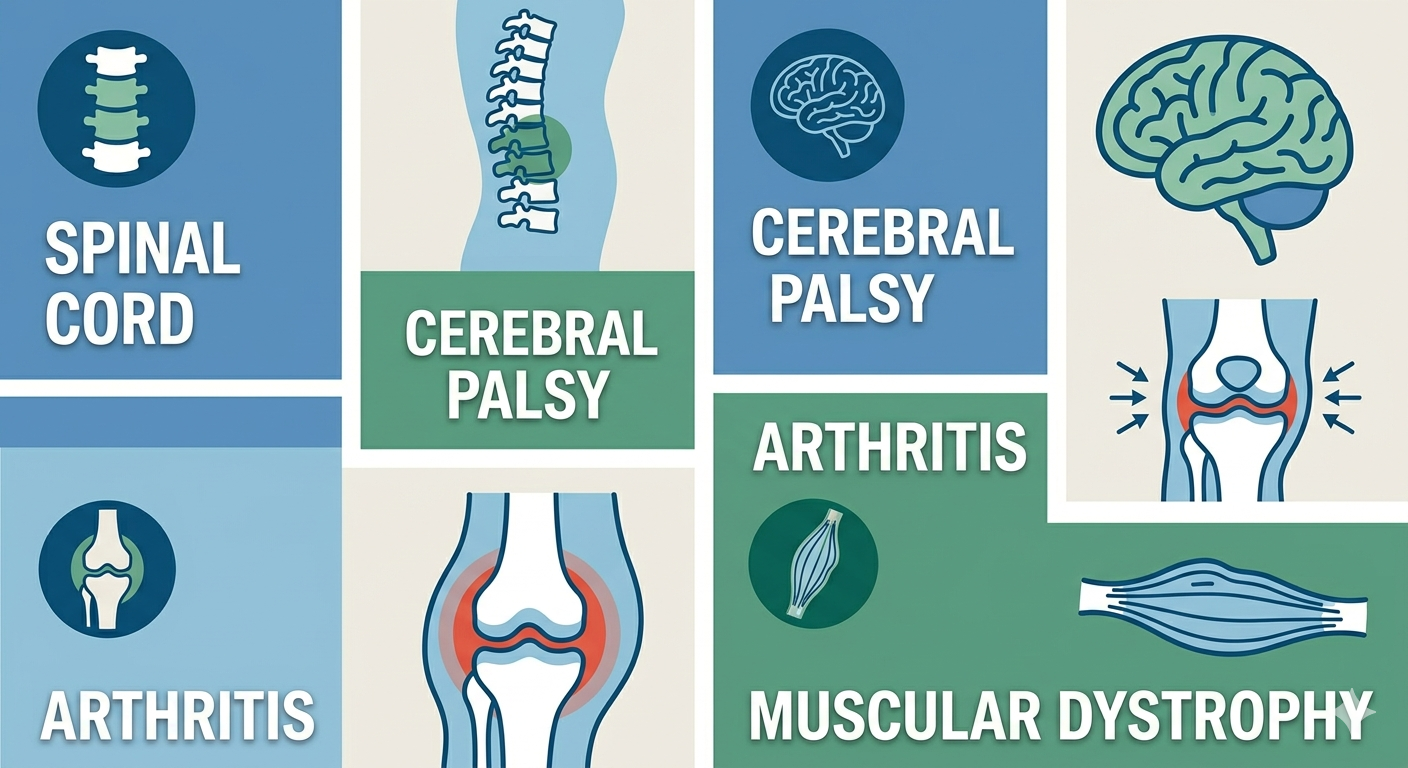
- Muscular Dystrophy: A genetic disorder characterized by muscle degeneration due to mutations, leading to progressive muscle weakness and atrophy.
- Cerebral Palsy: A non-progressive condition affecting movement, posture, and balance, often resulting from brain injury during critical developmental periods. It may be accompanied by intellectual disabilities and other comorbid conditions.
- Multiple Sclerosis: This autoimmune disorder triggers inflammation in the brain, leading to neuronal damage and mitochondrial dysfunction.
- Parkinson's Disease: Characterized by the loss of dopaminergic neurons, this condition can gradually impair cognitive functions, with various genetic mutations being linked to it.
- Arthritis: Common forms include osteoarthritis, arising from collagen degradation, and rheumatoid arthritis, an autoimmune disorder that damages joint linings.
- Spinal Cord Injury: Resulting from trauma or disease, this can severely affect quality of life and lead to various complications, including loss of motor control.
- Dwarfism: Individuals may experience complications such as leg pain and sociopsychological challenges.
Factors Leading to Locomotor Disability
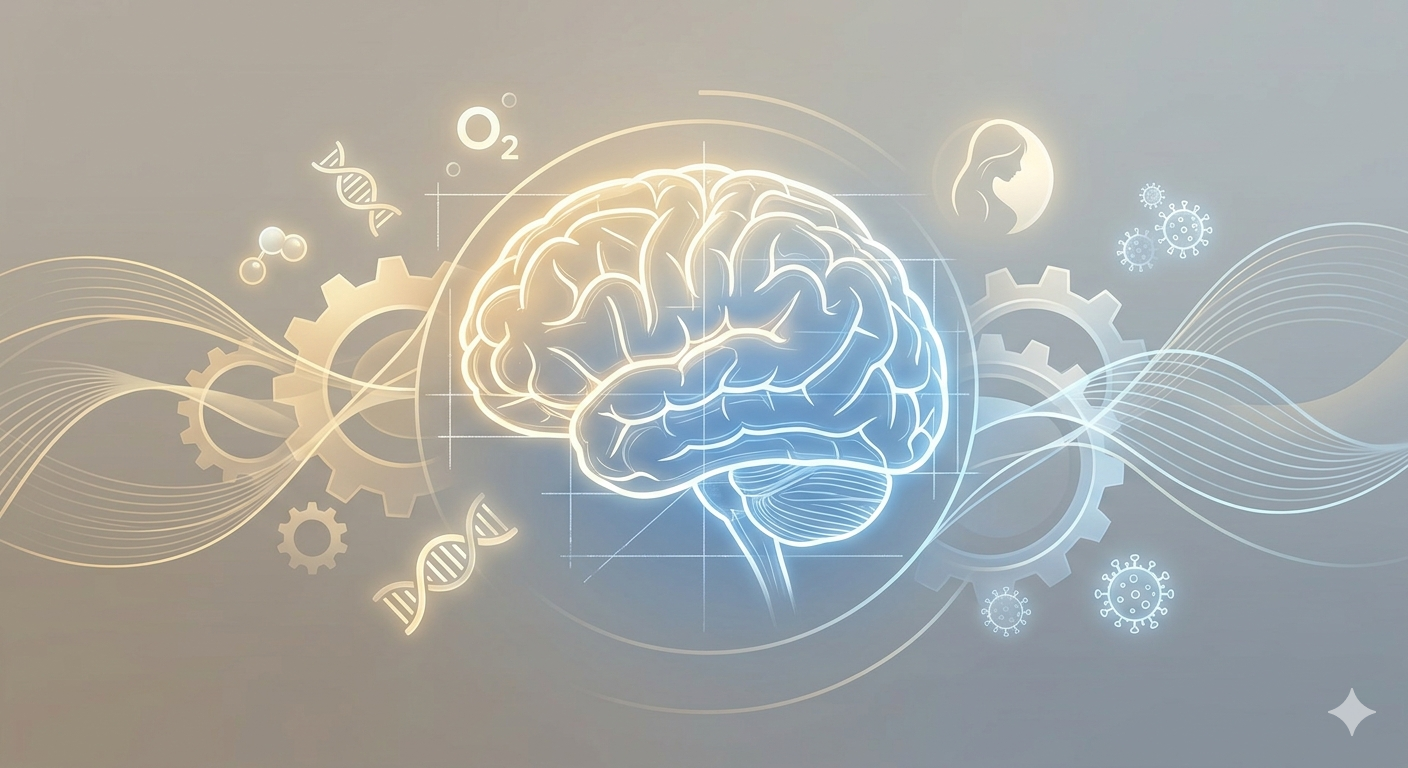
Various elements can contribute to the onset of locomotor disabilities, particularly in relation to cerebral palsy. The majority of impairments occur during pregnancy or childbirth, although early childhood can also be a critical period.
- Oxygen Deprivation at Birth: Complications during delivery can lead to insufficient oxygen supply to the brain, resulting in damage that affects motor functions.
- Infections During Pregnancy: Certain maternal infections, such as rubella or cytomegalovirus, can adversely affect the developing brain, potentially leading to locomotor disabilities.
- Genetic Predispositions: While cerebral palsy is not strictly hereditary, certain genetic factors can heighten the risk of developing it.
- Traumatic Brain Injury: Severe impacts, such as those from accidents, can lead to conditions like cerebral palsy.
- Maternal Health Issues: Conditions such as hypertension or diabetes in the mother can also pose risks to the developing fetus.

Interrelation of Locomotor Disability and Cerebral Palsy
The consequences of locomotor disabilities that are related to cerebral palsy can profoundly affect an individual's life quality. Variability in severity and type of cerebral palsy results in diverse impacts on different individuals:
- Mobility: Challenges in locomotion can hinder everyday tasks, often necessitating assistance for activities such as walking or standing.
- Independence: The ability to live autonomously may be compromised, making daily self-care tasks more difficult.
- Communication: Difficulties with speech can hinder expression and interactions with others.
- Social Engagement: Individuals may find participating in social activities challenging, leading to feelings of isolation.